Asian wedding car hire in Bradford is one of the more complex bookings in the chauffeur and limousine market, and one of the most consistently underestimated by operators who do not run them regularly. The vehicle count is higher, the route is longer, the timing is tighter, and the family expectations are considerably more involved than a standard western wedding booking.
The default booking process, where a couple selects a single car from a website and confirms a pickup time, does not work for an Asian wedding. The booking is a coordinated event involving multiple vehicles, multiple pickup locations, multiple ceremonies across one or more days, and a level of family input that single-car operators are not set up to handle.
A standard Asian wedding in Bradford involves at least three vehicles and often more. The groom’s car for the baraat procession, the bride’s car for the ceremony arrival, vehicles for parents and immediate family, and frequently a luxury vehicle for the bride and groom together after the ceremony.
Larger weddings extend this further. Six to ten vehicles is common for families with extended relatives travelling between venues. The booking is not “a wedding car”. It is a fleet booking, and it needs to be quoted, planned, and managed as one.
Operators who price each vehicle separately and treat them as independent bookings produce one of the most common problems on Asian wedding days: vehicles arriving in the wrong order, at the wrong gates, with drivers who do not know each other and cannot coordinate. The booking that works is the one where a single operator handles the full fleet as a coordinated job.
The baraat, the groom’s procession to the bride’s venue, is one of the parts of the wedding where the vehicle and driver experience matters most. The procession is slow, often involves music, sometimes involves dancing, and may include a horse or other ceremonial elements.
The lead car carries the groom. It cannot rush. The route needs to be planned with the procession pace in mind, which means avoiding main roads where traffic will build up behind, choosing routes that the police will accept for a slow-moving procession, and timing the arrival at the venue precisely.
Drivers who do not regularly do Asian weddings often misjudge this. They drive the standard speed, lose the procession behind them, and arrive at the venue ahead of the rest of the family. The procession effect is broken.
Operators familiar with Bradford Asian weddings know which routes work for baraats, which roads cause issues, and how to maintain procession pace without disrupting general traffic. This is a learned skill, not a generic chauffeur capability.
A booking made by one person on a website is the wrong model for an Asian wedding. The vehicle decisions involve the couple, the parents on both sides, sometimes grandparents, and often siblings who have specific views on the cars they want to be in.
The practical implication is that the booking process needs to handle group input. The operator who insists on a single point of contact and a fixed booking made online creates friction every time a family member raises a question or wants to change a detail. The operator who runs the booking as a consultation, taking family input through the planning period, fits the actual decision-making process.
This is not a small operational difference. It is the difference between an operator that Asian wedding families return to and recommend, and one they use once and quietly move on from.
Asian weddings often run across multiple days. The mehndi, the sangeet, the wedding ceremony itself, and the reception may all be on different days, sometimes at different venues. Each day involves vehicles, and the vehicles needed are not identical day to day.
A mehndi or sangeet might need transport for the immediate family between a hotel and a community venue. The wedding day needs the full fleet. The reception may need fewer vehicles but more luxurious ones for the photographs and the entrance.
Booking these days separately, from different operators or as independent jobs, creates the same coordination problems as booking individual cars separately. Booking the full multi-day requirement as one package, with a single operator who plans the week, produces a smoother result.
Operators who quote only the wedding day, and who do not ask about the other ceremonies, are either inexperienced with Asian weddings or unwilling to handle the complexity. Neither is a good sign.
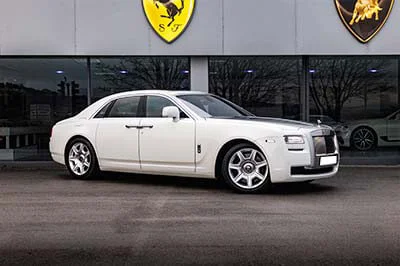
The vehicle aesthetic for an Asian wedding has specific considerations that operators outside this market often miss. White cars are popular for the bride. Black or silver for the groom is common. Decoration with flowers or ribbon is often expected and not always quoted as standard.
The operator who provides the wedding cars without the decoration, expecting the family to arrange it separately, creates work on the wedding day that should have been handled in advance. The operator who builds the decoration into the booking, with the colour and style agreed in advance, removes the problem.
For families coordinating a wedding across multiple venues with limited time on the day, this is a meaningful difference. Five minutes spent decorating a car on the wedding morning is five minutes that the family is not spending on something else.
A common one: a family books four wedding cars from a single operator. The operator quotes the booking, takes the deposit, and on the wedding day subcontracts two of the vehicles to a different supplier. The two subcontracted drivers do not know each other or the lead driver. The convoy gets separated within the first ten minutes.
Another: the family books a baraat procession with a driver who has not done one before. The driver drives at normal speed, the wedding party loses sight of the lead car, and the procession breaks down. The arrival at the venue is fragmented rather than ceremonial.
A third: the family books wedding cars without the decoration in the quote. The decoration is arranged separately, the supplier arrives late, and one of the cars is undecorated as the procession starts. The photographs show the mismatch.
A single operator handling the full fleet, with drivers who know each other and can coordinate.
Routes planned specifically for baraat procession pace and the venues being used.
A booking process that accommodates family input rather than enforcing a single point of contact.
Multi-day coverage where the wedding involves multiple ceremonies, planned as one package.
Vehicle colour, decoration, and presentation agreed in advance and included in the booking, not arranged on the day.
Drivers experienced with Asian weddings specifically, not generic wedding chauffeurs.
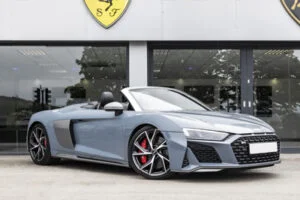
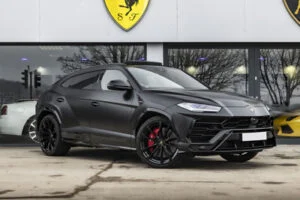
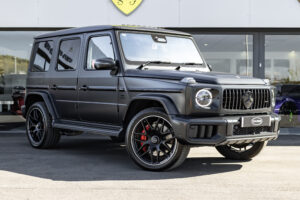
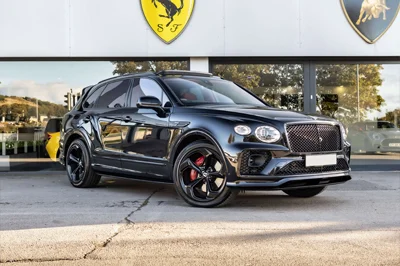
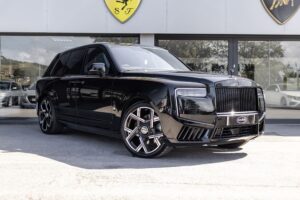
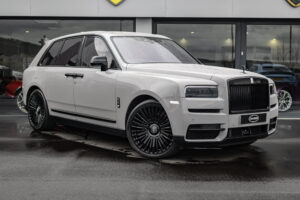
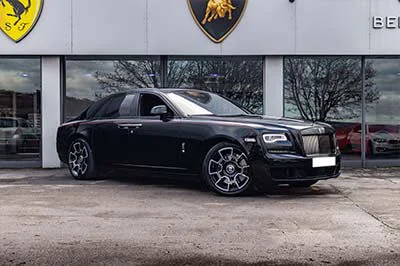
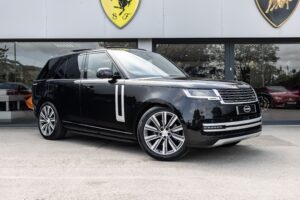
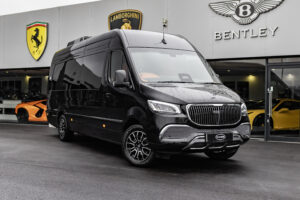
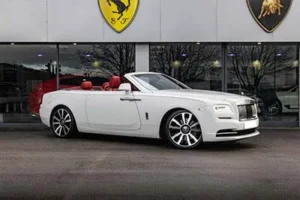
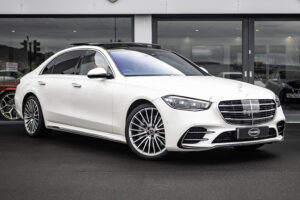
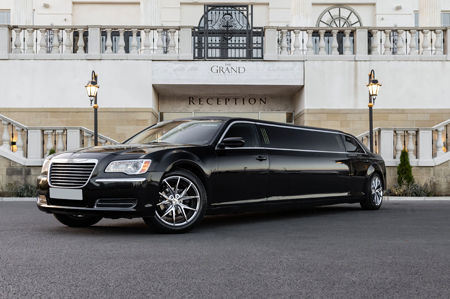
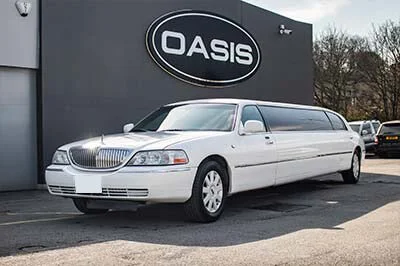
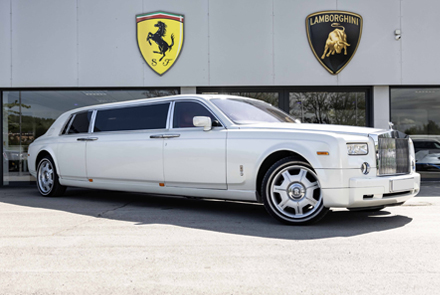
Oasis Limousines runs Asian wedding bookings across Bradford and the wider region with experience of multi-vehicle convoys, baraat processions, and multi-day ceremonies. The fleet includes Rolls Royce, Bentley, and luxury saloons suitable for the bride, the groom, and family members across the wedding events.
Bookings are quoted as a complete package covering all vehicles and all ceremony days, with the route, the timing, and the decoration agreed in advance with the family. Drivers assigned to Asian weddings are familiar with the specific demands of baraat pace, venue coordination, and procession sequencing.
To discuss an Asian wedding booking, contact Oasis with the wedding dates, the venues, and the approximate vehicle count. The earlier the planning conversation, the more comprehensive the package.