Corporate car hire in Bradford covers a wider range of needs than most operators advertise. The default assumption is airport runs and client collections. The reality, for businesses that use chauffeur services regularly, is closer to a logistics function: a driver who can be relied upon to be in the right place, in the right vehicle, in the right condition, for a series of bookings across a working week.
The gap between “a car with a driver” and an actual chauffeur service is what separates a routine booking from a problematic one. Most operators do not explain this gap. The bookings tend to come from a PA or office manager who picks the first reasonable result from a search, and the problems only surface when something specific is being asked of the service.
Executive travel often involves conversations the driver should not hear, or at least should not be in a position to remember or repeat. Internal board discussions, confidential client meetings, sensitive HR matters. A chauffeur who has been doing executive work for years understands this without being told. A driver who has been doing executive work for a few months may not.
The practical question is whether the operator has a confidentiality policy in writing and whether drivers are briefed on it. For sensitive bookings, this should be a standard part of the engagement. For routine bookings, it should still be the operating assumption.
This is not paranoia. It is the same standard a serious business applies to any third party with access to the boardroom.
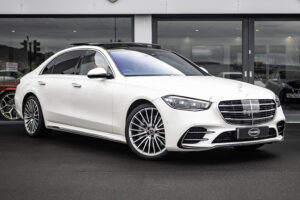
A single airport run is one decision. A series of bookings across a week, or across a quarter, becomes a different question. The executive who arrived at the client meeting in a Mercedes S-Class on Tuesday expects something equivalent for the dinner on Thursday. If the Thursday booking turns up in a smaller vehicle, the inconsistency is noticed.
Operators with a varied fleet need to be specific about which vehicle category a booking falls into and need to maintain that category across repeat bookings. This is straightforward when the booking is made through a single contact who understands the requirement. It becomes harder when the booking is made through an aggregator or when the operator subcontracts.
For corporate accounts, agree the vehicle category up front and put it in the booking confirmation. A specific specification, not “executive saloon”.
A meaningful proportion of corporate bookings are not single-leg trips. They are sequences: hotel pickup, breakfast meeting, office, lunch, second meeting, station, hotel. The driver needs to manage each leg, allow for the meeting overruns that are common in business travel, and absorb changes communicated by the passenger during the day.
Inexperienced operators quote multi-stop bookings as a series of fixed times. The 9am pickup, the 9.45 drop, the 12.30 pickup, the 1.15 drop. The reality is that the 12.30 pickup is actually 12.55 because the meeting ran over. The driver who has been parked since 12.15 needs to be paid for the waiting time, and the next booking needs to flex.
This is normal in corporate work. Operators who handle it well charge by the hour for multi-stop days and build the flexibility into the quote. Operators who quote per leg create friction when the day does not run to schedule.
The visiting client is the booking where presentation matters most. The vehicle, the driver, the signage at arrivals, the route from the terminal, the time spent waiting if the flight is delayed, all of it reflects on the host business.
A few specifics matter.
The signage. A name on a clean board with the company logo is the standard. A handwritten note on a scrap of paper is not.
The flight tracking. The driver should know the flight is delayed before the client knows.
The route. The driver should know the destination, not be entering the postcode into the satnav while the client is in the car.
The conversation. Some clients want to talk. Others want silence to make a call or read. The driver should follow the client’s lead, not initiate the conversation.
These are small things. They are also the things that visiting clients notice and comment on afterwards.
The driver is the visible face of the chauffeur service. Suit, polished shoes, clean shave, English at the level the client expects. None of these are difficult to specify, but the variation between operators is significant.
For corporate work, the standard should be explicit in the booking. Some operators run a uniform policy. Others leave it to the driver. For a routine office-to-station run, the difference is small. For a client collection or a board pickup, the difference is the difference between professional and amateur.
Ask the operator what the standard driver presentation is, and ask whether it is consistent across the fleet. A serious operator will have a clear answer.
A common one: the visiting board member’s flight is delayed by two hours. The standard operator charges hourly waiting time and the driver sits at arrivals. The better operator notifies the host PA before the host PA has checked the flight, recalculates the day’s schedule with the host, and absorbs the waiting time into the day rate.
Another: the executive’s morning meeting runs an hour over. The afternoon schedule needs to shift. The driver who is locked into a fixed-leg booking cannot stay. The driver who is on a day rate adjusts.
A third: the visiting client mentions during the journey that they have not eaten. The driver knows a route that passes a hotel that can serve food at short notice, or knows the right person to call at the host’s office to arrange something. This is not a transport service. It is hospitality at the operational level.
The retail chauffeur booking is transactional. One trip, one quote, one driver, one vehicle. The job is to get from A to B on time and presented well.
The corporate chauffeur relationship is different. It is the same provider being used repeatedly, the same drivers becoming familiar with the same executives, the same standards being maintained across a year. The operator who handles corporate work well is not necessarily the cheapest. They are the one that becomes invisible: bookings happen, vehicles arrive, days run smoothly, and the executive’s time is spent on what they were collected to do.
For finance, professional services, and senior corporate roles where time is the constraint, this is the function the service is actually performing. The vehicle is the deliverable. The reliability is the product.
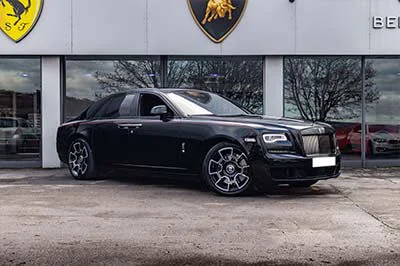
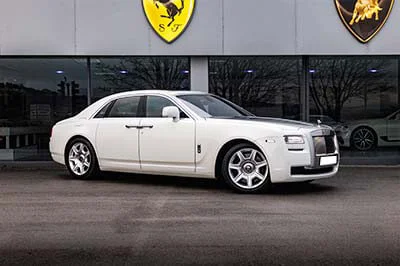
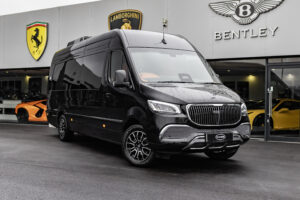
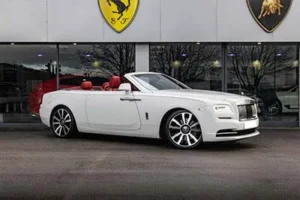
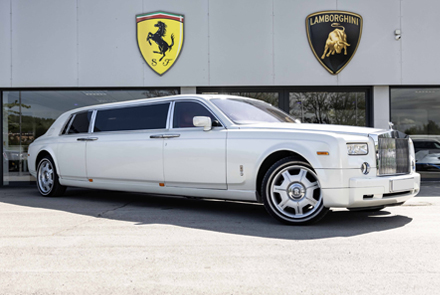
Oasis Limousines runs corporate accounts across Bradford and the surrounding region with a fleet that includes Mercedes, Bentley, and Rolls Royce vehicles for senior executive work. Bookings can be made as single-leg, multi-stop, day rate, or as ongoing account arrangements. Drivers are briefed individually on each engagement and presentation standards are consistent across the fleet.
Confidentiality is treated as standard practice on every booking. For repeat corporate accounts, the same drivers are assigned where possible to build familiarity with the executive’s preferences and routine.
To discuss a corporate account or a one-off executive booking, contact Oasis directly with the requirement.