New Year’s Eve transport is the single most demand-constrained night of the year in the chauffeur and limousine market. The vehicles are finite, the demand is concentrated into a four to six hour window across the evening, and the customers who book early get a different experience from the customers who try to book in mid-December.
This is not a marketing point. It reflects the actual supply pattern. By the start of October, most reputable operators across the region have already taken the majority of their 31st December bookings from repeat customers and early bookers. By November, the available fleet is what remains. By December, the available fleet is what nobody else wanted.
A normal Saturday night in the chauffeur market is busy. Multiple weddings, hen parties, corporate events, and milestone birthdays all happening across the same evening. The vehicles are spread across the bookings, with most operators running at high utilisation but not maximum capacity.
New Year’s Eve is different in one specific way: everyone wants the same booking window. Pickups concentrate between 6pm and 9pm. Drop-offs at venues happen across roughly the same period. Returns from venues concentrate between 12.30am and 2am.
The result is that operators with twenty vehicles cannot run forty bookings across the evening, even though they could on a normal Saturday by staggering jobs. Every vehicle does one outbound and one return. The capacity is genuinely fixed at the number of vehicles in the fleet.
This is why availability disappears earlier than for any other night of the year. The maths is simple. The operator has X vehicles. After X bookings, the rest of the demand is turned away.
By January for the following December, every option is open. Specific vehicle, specific driver, specific timing. The operators that get most of their New Year’s Eve bookings in January and February are working with repeat customers from previous years.
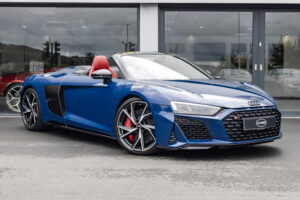
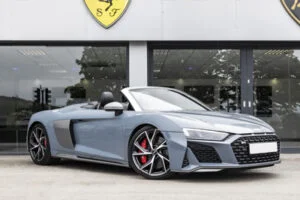
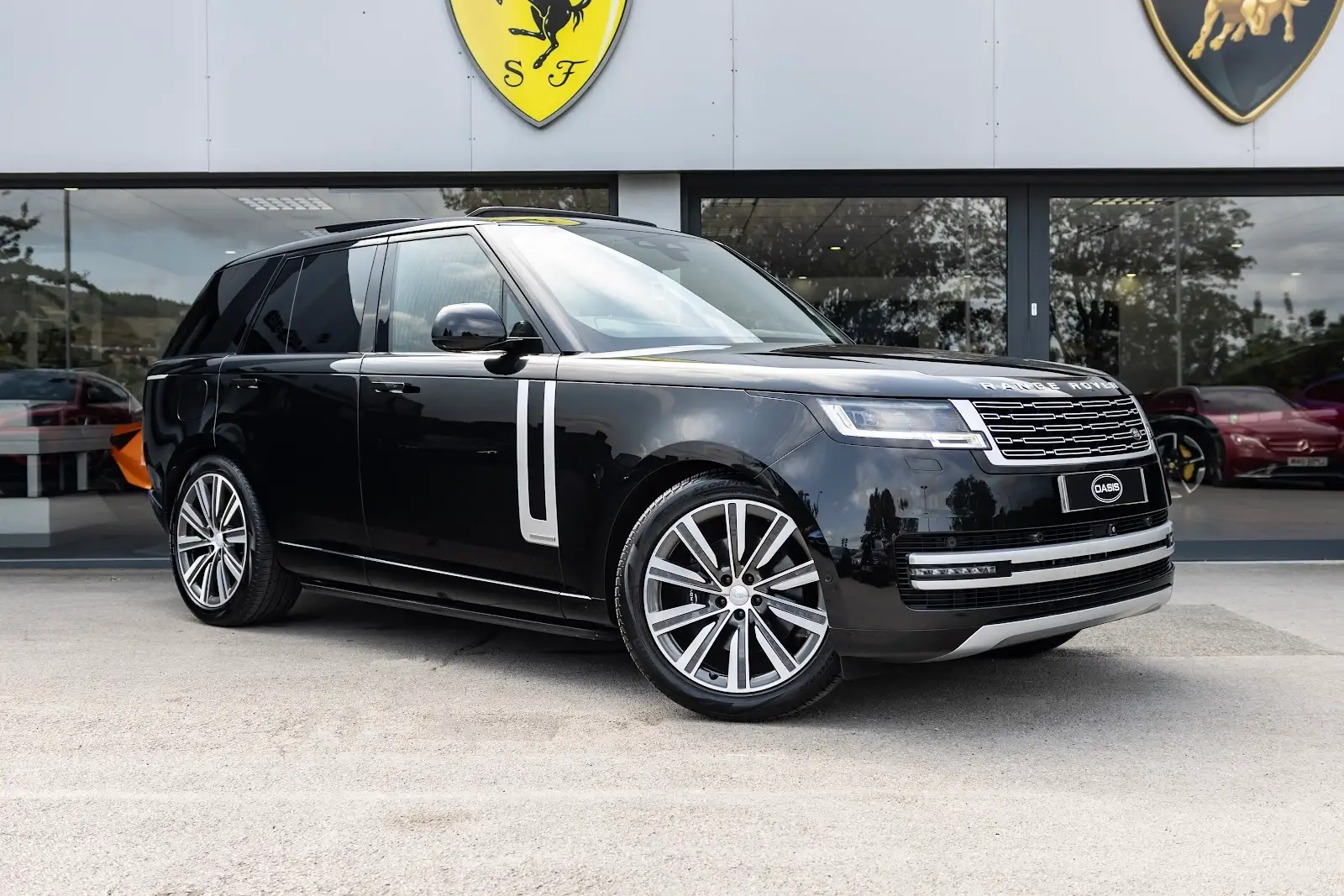
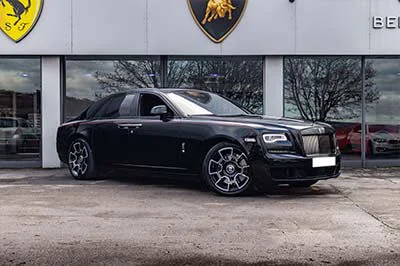
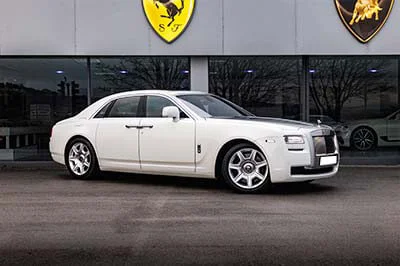
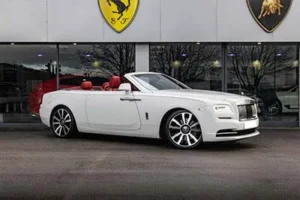
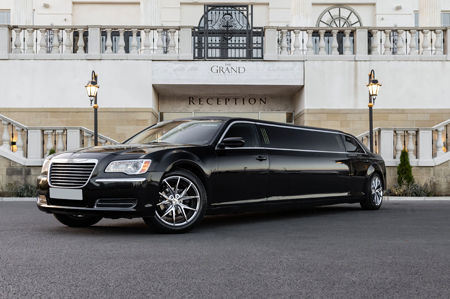
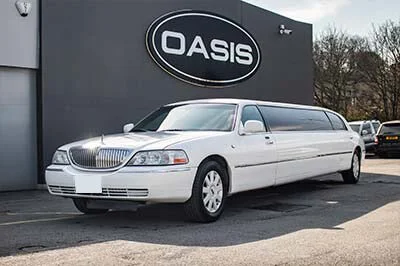
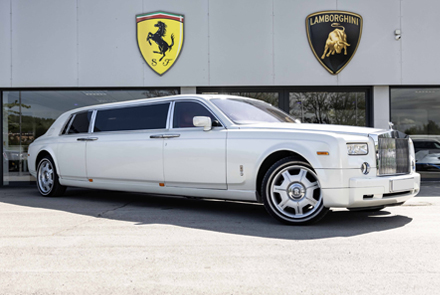
By July or August, most of the premium vehicles are gone. The Rolls Royces, the Bentleys, the larger stretch vehicles. The standard luxury saloons and the smaller stretches are still available.
By October, the choice is significantly narrower. The popular pickup times are mostly taken. Customers booking now are often offered earlier or later slots than they wanted.
By mid-December, the available fleet is what is left after the well-organised customers have booked. This often means older vehicles, less experienced drivers, or operators who normally do not run New Year’s Eve work but are picking up overflow demand. The customer takes what is available.
Customers who book in late December are sometimes refused entirely by reputable operators, not because the operator does not want the business but because the operator’s regular fleet is fully committed and the operator does not want to subcontract to unknown drivers on a night where reputation matters.
Prices on New Year’s Eve are higher than on any other night of the year. This is not opportunistic. It reflects the operator’s cost: drivers on premium rates for the night, vehicles being booked for shorter windows but at the highest demand level, and the operator’s exposure if anything goes wrong.
The early booker who locks in a price in January or February pays the operator’s standard New Year’s Eve rate. The late booker in December pays whatever the operator is charging for the remaining vehicles, which is often higher.
The price premium varies but is typically 50 to 100 percent over a standard Saturday rate for the same vehicle. A booking that would be £400 on a normal Saturday might be £600 to £800 on New Year’s Eve. This is the market rate, not a negotiating position.
The return from a New Year’s Eve venue is the most constrained pickup of the year. Every venue in the region empties between 12.30am and 2am. Every chauffeur and taxi vehicle is making pickups during the same window. The road network, in city centres, is at its busiest of any night.
The booking needs to handle this. The straightforward approach is a fixed pickup time agreed in advance, with the group accepting that they need to be ready at that time. The more flexible approach is a return window, but on New Year’s Eve the flexibility is limited because the driver cannot wait indefinitely; the vehicle is needed back for the operator’s next booking if the operator is running a second job that night.
The booking conversation should cover what happens if the group is late. The operator’s policy varies. Some accept up to thirty minutes of waiting at no charge. Others charge from the original agreed time. A few have a strict cut-off after which the vehicle leaves and the group is on their own.
Knowing this in advance is essential. The argument at 2am with a driver who is about to leave is not the conversation anyone wants to have.
Picking up from a venue on New Year’s Eve has the same problems as picking up from a major concert, multiplied. Multiple groups leaving the same venue, all looking for their pre-booked vehicles. The streets crowded with arriving and departing vehicles. Phone signal often congested.
The fix is the same as for concert pickups. A pre-agreed pickup point that does not require phone contact to find. A vehicle registration confirmed to the customer in writing before the night. A driver who steps out of the vehicle when the group approaches, so the customer sees a person to identify.
Operators who do New Year’s Eve work regularly handle this as standard. Operators new to the night often do not, and the pickup becomes the failure point.
Some New Year’s Eve bookings involve multiple stops. Pickup from home, drinks at a friend’s house, dinner at a restaurant, then to the main venue for the midnight countdown. This sounds reasonable on paper. It is harder than it sounds on the night.
Each stop adds time, both for the boarding and for the conversation at the door about who is and is not coming on the next leg. By the time the group reaches the main venue, they may be later than planned and the vehicle is later for the next leg.
For New Year’s Eve specifically, multi-stop bookings should build in significant buffer time between stops. The traffic patterns on New Year’s Eve are different from other nights, and the group dynamics are usually less efficient than the booker assumes.
The simpler approach is a single pickup, a direct journey to the main venue, and a return pickup at the agreed time. This works on New Year’s Eve in a way that complex itineraries often do not.
A common one: a group books a chauffeur in early February for a Manchester city centre venue. The booking includes a specific vehicle, a confirmed driver, and a pre-agreed return pickup point on a quieter side street. The night runs smoothly because the booking was made early enough to lock in the right details.
Another: a group tries to book in late November for the same kind of venue, finds availability is thin, and books with an operator they have not used before because the regular operator is full. The vehicle on the night is older than expected, the driver is unfamiliar with the venue, and the return pickup takes forty-five minutes to coordinate. The booking happened but the experience was not what the group paid for.
A third: a group books in mid-December, accepts the operator’s only available vehicle, and pays a significant premium over the standard rate. The vehicle and driver are fine, but the cost is higher than the same booking would have been in February, and the choice of vehicle was constrained.
Booking by August at the latest, ideally between January and June for the following December.
A pre-agreed pickup point for the return journey that does not rely on phone signal.
A vehicle registration confirmed to the customer in writing before the night.
A driver experienced with New Year’s Eve work specifically, not just generic chauffeur work.
A clear return timing policy, including what happens if the group is late.
A booking that is direct rather than multi-stop where possible, to reduce the timing risks.
Oasis Limousines accepts New Year’s Eve bookings from January onwards for the following December. The fleet is allocated to confirmed bookings rather than held back for late demand, with premium vehicles typically committed by mid-summer.
Each booking includes a specific vehicle confirmed in writing, a pre-agreed pickup point for the return journey, and a driver assigned for the night. The return timing policy is explained at the booking stage rather than negotiated at 1am.
To discuss a New Year’s Eve booking, contact Oasis well in advance with the date, the venue, the group size, and the planned route. The earlier the conversation, the better the choice of vehicle.