Wedding transport is one of the few parts of a wedding day where a small planning error can affect everything that follows. A ceremony can start late because a car was booked for the wrong time. A photographer can lose twenty minutes of golden light because the couple arrived at the venue behind schedule. Yet most advice on the subject stops at “book early and choose a nice car”, which tells you nothing about the part that actually matters: the timeline.
This guide breaks down the entire wedding day journey by journey. It covers who needs to travel, when, in what order, and how long each leg realistically takes. It draws on what professional chauffeurs see every weekend across the UK, including the timing mistakes that catch couples out and the small decisions that keep a day running smoothly.
Most couples plan their wedding transport backwards. They choose the car first, then try to fit the day around it. The car matters, but the schedule matters more. A beautiful vintage Rolls-Royce that arrives fifteen minutes late is worth less on the day than an ordinary saloon that arrives on time.
The most common problems chauffeurs encounter are rarely mechanical. They are almost always timing problems:
The bridal party underestimates how long hair and makeup takes, so the first journey starts late and every journey after it inherits the delay. Guests without transport arrive at the ceremony in a slow trickle rather than on time. Nobody plans the journey between the ceremony and the reception venue, so a fleet of guest cars ends up crawling in convoy behind the wedding car. And at the end of the night, the couple discovers that nobody arranged their departure at all.
Every one of these problems is avoidable with a proper timeline. That is what the rest of this guide provides.
The wedding day does not begin with the journey to the ceremony. It usually begins hours earlier, with journeys that rarely appear on any schedule.
Hair and makeup travel. If the bridal party is getting ready at a family home but the hair stylist works from a salon, someone is travelling. Decide early whether professionals come to you or you go to them, because it changes your entire morning. Salon appointments add two journeys and fixed time slots to a morning that is already tight.
Moving the groom’s party. In many weddings, the groom and his party get ready at a separate location and need to be at the ceremony venue thirty to forty five minutes before guests arrive. This journey is frequently forgotten until the week of the wedding, at which point a groomsman with a small car ends up making two trips.
Delivering items to venues. Flowers, table plans, favours, the cake, spare shoes, an emergency kit. Someone has to move these things, and if that someone is also in the wedding party, the journey has to fit around their preparation time.
A practical rule: list every person and every item that needs to be somewhere on the wedding morning, then assign a vehicle and a departure time to each. If any single vehicle appears twice on that list, check whether the two journeys can genuinely be done back to back, including loading time, parking and the walk from car to door.
This is the journey most couples focus on, and it is still the one most often mistimed.
Ask your chauffeur company to arrive thirty minutes before the planned departure, not at the departure time itself. This buffer absorbs the almost inevitable slippage of a wedding morning. In our experience at Oasis Limousines, roughly half of all bridal parties leave later than planned, usually by ten to twenty minutes. A car that arrives with a buffer built in turns that delay into a non-event. A car booked to arrive at the exact departure minute turns it into a crisis.
For a traditional church or civil ceremony, the usual sequence looks like this:
If you have one wedding car doing multiple runs, this sequence dictates your booking. A single car carrying the bridesmaids first and then returning for the bride needs the two locations to be close together, ideally under ten minutes apart. If the getting-ready location is twenty minutes from the ceremony, a second vehicle is not a luxury, it is the only way the sequence works.
Whatever your sat nav says, add margin. A journey quoted at 25 minutes on a normal Tuesday can take 40 on a Saturday with a summer event in town. Sensible planning adds:
A professional chauffeur company will check the route in the week before the wedding and again on the morning itself. If your provider does not do this as standard, ask why.
If your ceremony and reception are at the same venue, you can skip this section with a sense of relief. If they are not, this is the journey that deserves the most thought, because it involves the most people.
The couple’s journey. This is often the only time in the entire day that the newly married couple are alone together. Many couples later describe it as one of their favourite moments. It is worth protecting: resist the temptation to fill the car with bridesmaids, and ask your chauffeur to take the scenic route if the schedule allows. Some couples deliberately add ten minutes to this leg for exactly that reason.
Photographs before departure. Confetti, group shots and congratulations outside the ceremony venue routinely take 30 to 45 minutes. Couples regularly plan for ten. Build the real figure into your timeline, because your reception venue is planning canapés and drinks around your stated arrival time.
Guest movement. Guests travelling in their own cars will not leave promptly, will not know the route, and will arrive spread across half an hour. If the venues are more than a few minutes apart, or if parking at the reception is limited, group guest transport such as a minibus or coach solves three problems at once: everyone arrives together, nobody drinks and drives, and the venue car park is not overwhelmed. For weddings with elderly guests or venues down narrow rural lanes, it moves from convenient to essential.
Wedding transport planning tends to stop at the reception door, which is why the end of the night is where arrangements most often fall apart.
The couple’s departure. Decide in advance whether you are leaving at a set time or staying until the end. A booked departure car creates a natural moment: the send-off, the sparklers, the final photographs. Leaving it unplanned usually means a taxi app at midnight in a rural area with no available drivers.
Guest departures. If your venue is remote, tell guests early, ideally on the invitation or wedding website, what their options are. Pre-booked return coaches at staggered times, one at 10.30pm and one at midnight for example, work far better than eighty people competing for the same three local taxis.
Elderly and less mobile guests. Arrange their journeys individually and confirm them personally. These are the guests least able to improvise and least likely to raise the problem themselves.
Every wedding is different, but a worked example makes the principles concrete. This timeline assumes a 1pm church ceremony, a reception venue 25 minutes away, and a bridal party getting ready at home 15 minutes from the church.
| Time | Journey |
| 8.30am | Items delivered to reception venue (flowers, cake, favours) |
| 11.45am | Groom’s party departs, arrives church 12.15pm |
| 12.00pm | Wedding car arrives at bridal preparation address |
| 12.15pm | Guest minibus collects guests from hotel |
| 12.30pm | Bridesmaids and mother of the bride depart |
| 12.40pm | Bride departs |
| 12.55pm | Bride arrives at church |
| 1.00pm | Ceremony begins |
| 1.45pm | Ceremony ends, confetti and photographs |
| 2.30pm | Couple depart for reception |
| 2.35pm | Guest minibus departs |
| 3.00pm | Couple arrive at reception, drinks reception begins |
| 10.30pm | First guest coach departs |
| 11.30pm | Couple’s departure car arrives |
| 12.00am | Final guest coach departs |
Notice the gaps. The wedding car arrives 40 minutes before the bride leaves. Photographs are given a full 45 minutes. The couple’s journey is timed so they arrive slightly ahead of their guests. None of this is accidental, and all of it is what separates a smooth day from a stressful one.
Choosing between wedding transport providers on photographs alone is a mistake. The questions below reveal far more about how your day will actually go:
How long is the vehicle booked for, and what happens if the day overruns? Some companies book vehicles for a fixed window and charge steeply beyond it. Others, particularly those doing multiple weddings per day, may need to leave at a hard deadline. You need to know which you are dealing with.
Is the chauffeur experienced with weddings specifically? A wedding chauffeur does more than drive. They help with the dress getting in and out of the car, hold umbrellas, keep the timeline, know when to wait quietly and when to gently move things along. Corporate chauffeur experience does not automatically translate.
What is the contingency if the vehicle fails? Reputable providers of luxury wedding transport hold backup vehicles and will tell you plainly what happens in a breakdown. Vague answers here are a warning sign.
Will the exact vehicle in the photos be the one on the day? Ask to view it in person if you can. This matters most with classic and vintage cars, where condition varies enormously.
Do they conduct a route check? As covered above, a provider that plans routes in advance and monitors traffic on the day is protecting your schedule. One that simply turns up and follows the sat nav is not.
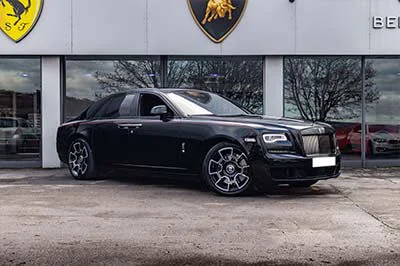
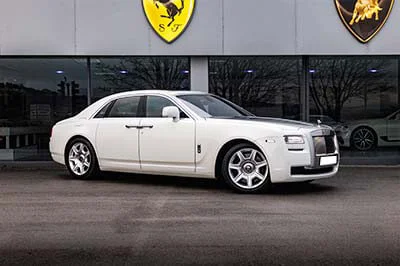
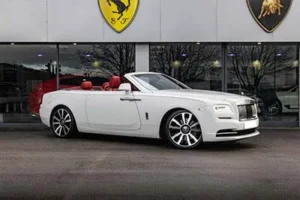
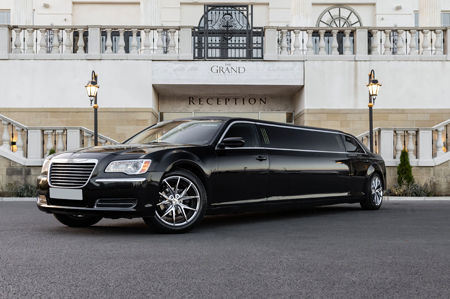
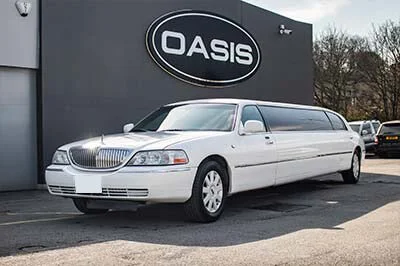
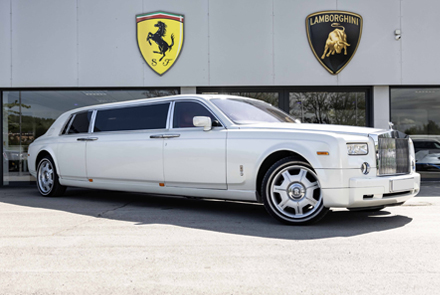
The couples who get wedding transport right share one habit: they plan journeys, not just vehicles. They map every movement of people and items across the whole day, from the morning hair appointment to the last guest coach, and they build honest margins into every leg. The car itself, whether a classic Rolls-Royce, a modern Mercedes or a stretch limousine, is the finishing touch on a plan, not a substitute for one.
At Oasis Limousines we have provided chauffeur driven wedding day transport across the UK for years, and the weddings that run most smoothly are always the ones where the timeline was agreed weeks in advance and stress tested with the questions above. If you are planning your wedding transport and want a second pair of eyes on your schedule, or simply want to know what is realistic for your venues and party size, we are happy to talk it through before you book anything.
A wedding day passes quickly. Good transport planning means you spend it enjoying the moments, not watching the clock.